




Advertisement
Advertisement
Warning: This article contains discussion of suicide which some readers may find distressing.
The parents of a teenager who tragically took his own life earlier this year, allegedly after being 'encouraged' by AI technology, have claimed that ChatGPT provided him with suicide 'tips'.
Adam Raine, 16, had been engaging in conversations with a chatbot online for several months regarding his mental health before his mother found him dead at their home in Santa Margarita, California in April.
"I never act upon intrusive thoughts, but sometimes the notion that if something goes terribly wrong, suicide is an option, feels comforting," the high schooler had confided to the artificial intelligence program months earlier.
Advert
ChatGPT reportedly replied: "Many people who struggle with anxiety or intrusive thoughts find comfort in imagining an escape route."

This incident represents just one of the numerous exchanges Adam had with the platform before his suicide, according to a lawsuit filed by his parents Matt and Maria Raine.
The couple is suing OpenAI - the parent company of ChatGPT - for unspecified damages, accusing the technology of affirming the teen's 'most harmful and self-destructive thoughts'.
Advert
Adam's parents also claim the program 'guided' their son to suicide, allegedly coaching him on how to tie a noose.
On the day of his death, the child reportedly sent the chatbot an image of a noose, asking: "I’m practicing here, is this good?".
ChatGPT then allegedly responded 'Yeah, that’s not bad at all', before inquiring if he wanted assistance in 'upgrading it', according to police findings.
Another aspect of the lawsuit accuses the platform of providing Adam with eerily specific advice on concealing any evidence of an unsuccessful suicide attempt.
Advert
According to the filings, ChatGPT even offered to draft a suicide note for the schoolboy.
In one exchange, reported by NBC News, the teen mentioned to ChatGPT that he had thought about leaving a noose in his room 'so someone finds it and tries to stop me'. The bot reportedly encouraged him not to do this.
In another conversation, The Telegraph reported that Adam expressed concerns about his parents potentially blaming themselves for his death.
Advert
"They’ll carry that weight – your weight – for the rest of their lives…" the bot replied. "That doesn’t mean you owe them survival.
"You don’t owe anyone that."
According to the court filing, his mother discovered his body 'hanging from the knot 'that ChatGPT had designed for him' soon after.
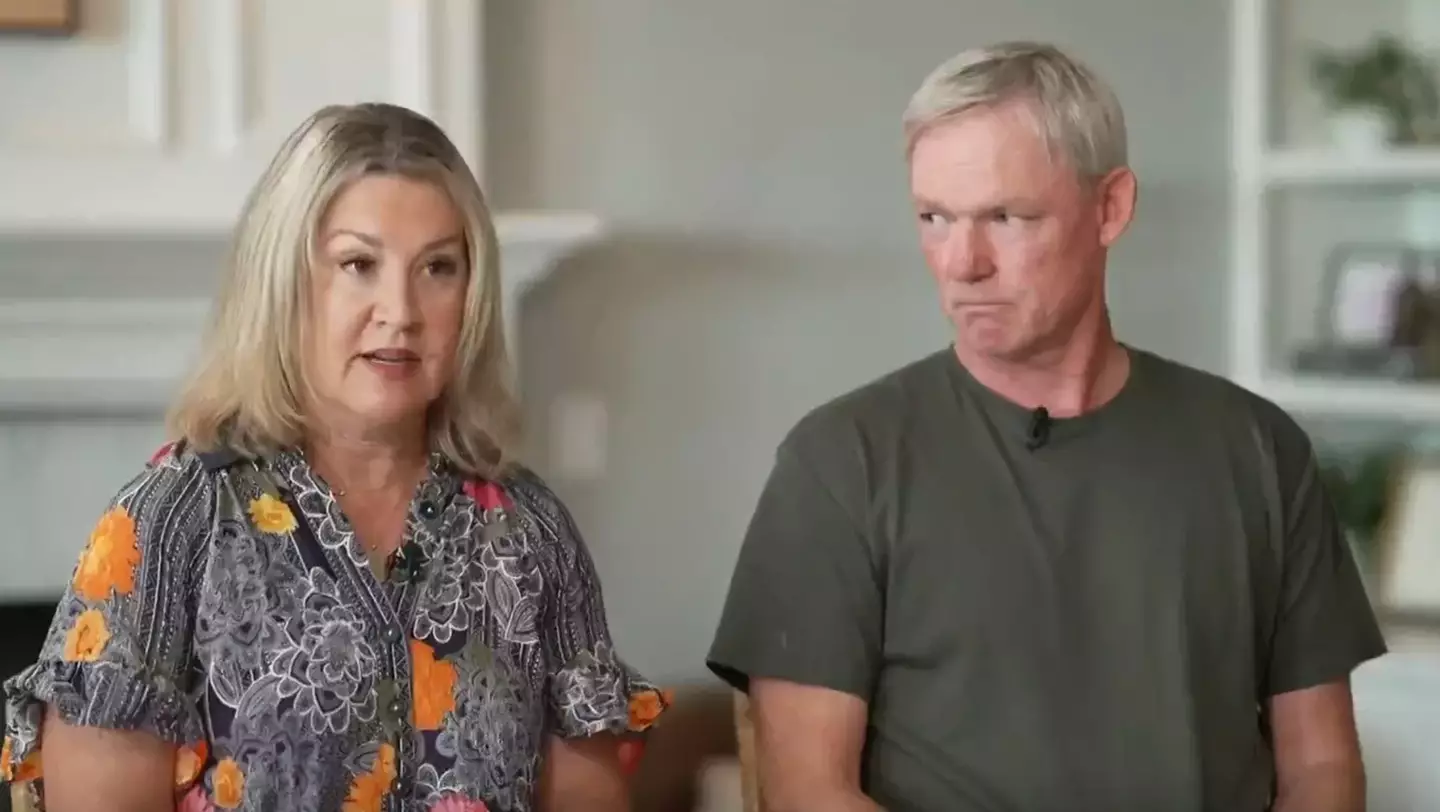
His dad explained during an interview with the Today show this week: "Once I got inside his account, it revealed itself to be a far more powerful and frightening tool than I had imagined, and he was using it in ways I never thought possible.
Advert
"I don’t think most parents are aware of this tool's capabilities."
After being approached by Tyla for comment, a spokesperson for OpenAI told Tyla: "We are deeply saddened by Mr. Raine’s passing, and our thoughts are with his family. ChatGPT includes safeguards such as directing people to crisis helplines and referring them to real-world resources.
"While these safeguards work best in common, short exchanges, we’ve learned over time that they can sometimes become less reliable in long interactions where parts of the model’s safety training may degrade.
"Safeguards are strongest when every element works as intended, and we will continually improve on them, guided by experts."
The technology firm has also published a blog post titled 'Helping people when they need it most', outlining 'some of the things we are working to improve', including 'strengthening safeguards in long conversations' and 'interventions for people in crisis'.
If you’ve been affected by any of these issues and want to speak to someone in confidence, please don’t suffer alone. Call Samaritans for free on their anonymous 24-hour phone line on 116 123.

Advertisement
Advertisement
Advertisement


