




Advertisement
Advertisement
Many of us head to the office five days a week, loaded with a laptop, charger, water bottle, packed lunch, notebooks, and various other miscellaneous items.
Naturally, these belongings can be quite heavy - especially when all the weight is carried on one shoulder.
Regardless of fashion preferences, using a tote bag or a one-shoulder bag can be detrimental to your health, potentially leading to serious issues.
To shed more light on this topic, Bethany Lawrence, an Orthopaedic expert and adviser for Panda London, shares her valuable insight on why we should avoid the habit of using one-strap bags for work.
Advert

Dangers of wearing a tote or shoulder bag
Bethany explains to Tyla that carrying a heavy tote or shoulder bag on one side can strain the muscles, tendons, and ligaments in the shoulder, neck, and upper back.
"This imbalance can cause misalignment in the spine, particularly if the bag is consistently carried on the same side," she warns.
Advert
Over time, this strain may lead to postural issues, nerve compression, and discomfort in the neck and back.
The weight can also 'disrupt the natural movement of the shoulder and arm', making everyday actions feel restricted or painful.

Are these problems long-lasting?
"If left unaddressed, the issues caused by heavy or repetitive bag carrying can indeed become long-lasting," Bethany warns.
Advert
She explains that 'repeated strain' on the muscles and spine may lead to chronic pain or degenerative changes, especially in the neck and shoulder joints.
"While some cases may improve with corrective measures, others might develop into chronic conditions like tendinitis, bursitis, or tension headaches," the expert adds.
If you're a habitual tote bag user, you may want to reconsider and switch to a rucksack, as the risk of long-lasting impact increases the longer the issue goes uncorrected, especially if significant posture changes have occurred.

How can you reverse these problems?
If you, like myself, have been using tote bags for years, it's crucial to take steps to reverse these issues.
Advert
Bethany advises: "Reversing the problems requires a combination of rest, stretching, strengthening, and, in some cases, therapeutic interventions. Regularly stretching the neck, shoulder, and back muscles can help alleviate tension and improve mobility."
You can also try 'strengthening exercises' focusing on the upper back and shoulder stabilizers to provide better support.
"Osteopathic treatments like joint mobilization, soft tissue manipulation, and posture correction can be beneficial for re-aligning the body," the expert advises.
"If nerve compression or inflammation is present, anti-inflammatory treatments may be recommended to ease symptoms."
Advert
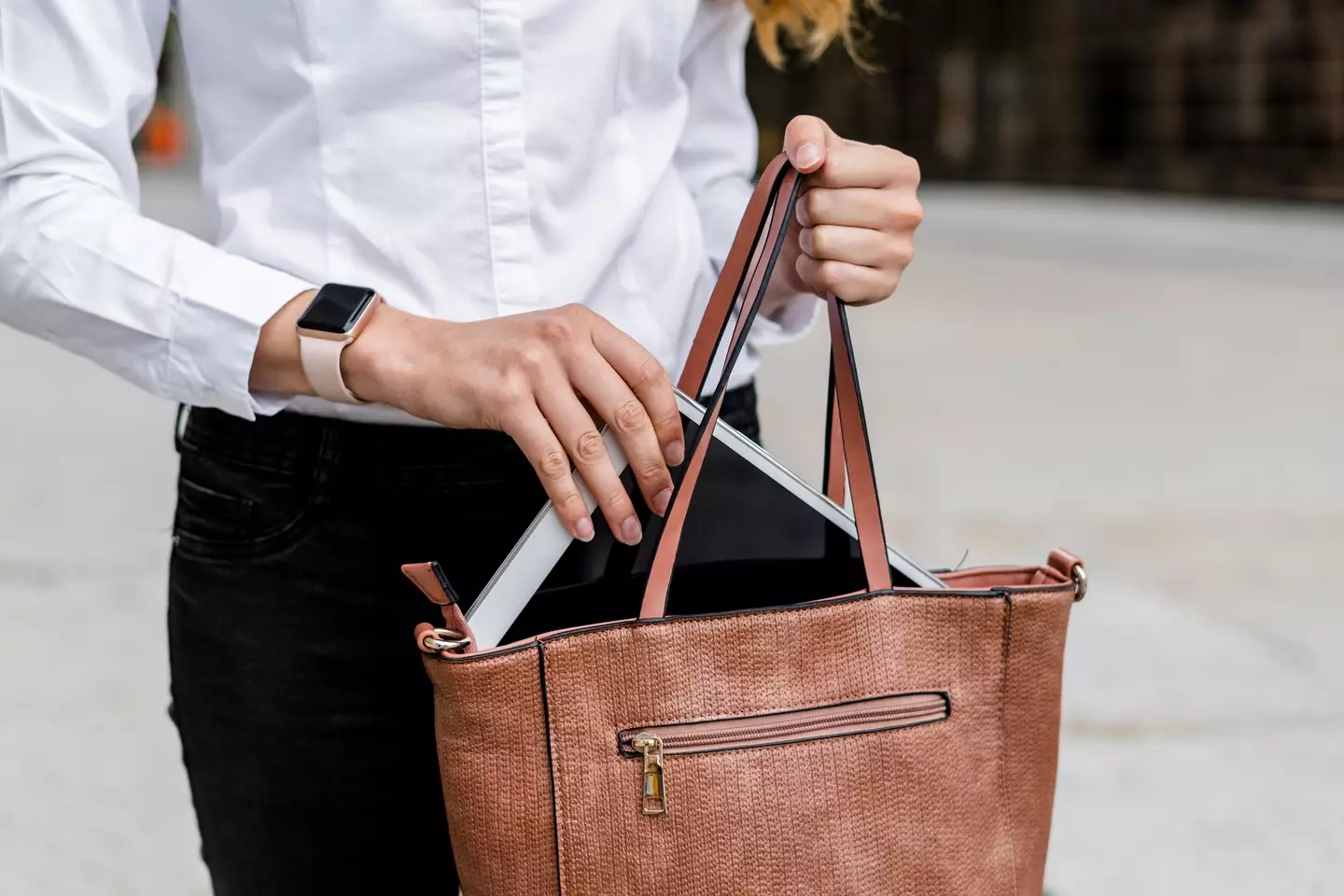
How to avoid these problems?
Simple: opt for a two-strap bag.
But if a backpack isn't for you, Bethany suggests switching the bag to alternate shoulders frequently to 'help avoid excessive strain on one side'.
You can also declutter and choose a lighter bag carrying 'only essentials' to help reduce weight - that means removing that stash of half-used deodorant sprays and lip balms.
Bethany adds: "Opting for bags with wide, padded straps or considering a backpack to distribute weight more evenly across both shoulders is advisable.
"Practicing good posture while carrying bags - keeping shoulders relaxed and back straight - can also minimize strain."
And a little stretching never hurt anyone.

Can these problems be linked to poor sleep health?
If you've been experiencing poor sleep, your tote bag might be to blame.
"Musculoskeletal strain from improper bag use can contribute to poor sleep health," Bethany warns. "Shoulder or neck pain often worsens at night when lying in certain positions, leading to discomfort and disrupted sleep."
Tote bag users may also experience 'chronic tension', which can result in poor sleep quality or difficulty finding a comfortable sleep position, affecting sleep duration and quality.
"Additionally, misalignment and muscle tension can influence the body’s ability to fully relax, making restorative sleep challenging," the expert shares. "Over time, this can compound stress and further impact physical health."
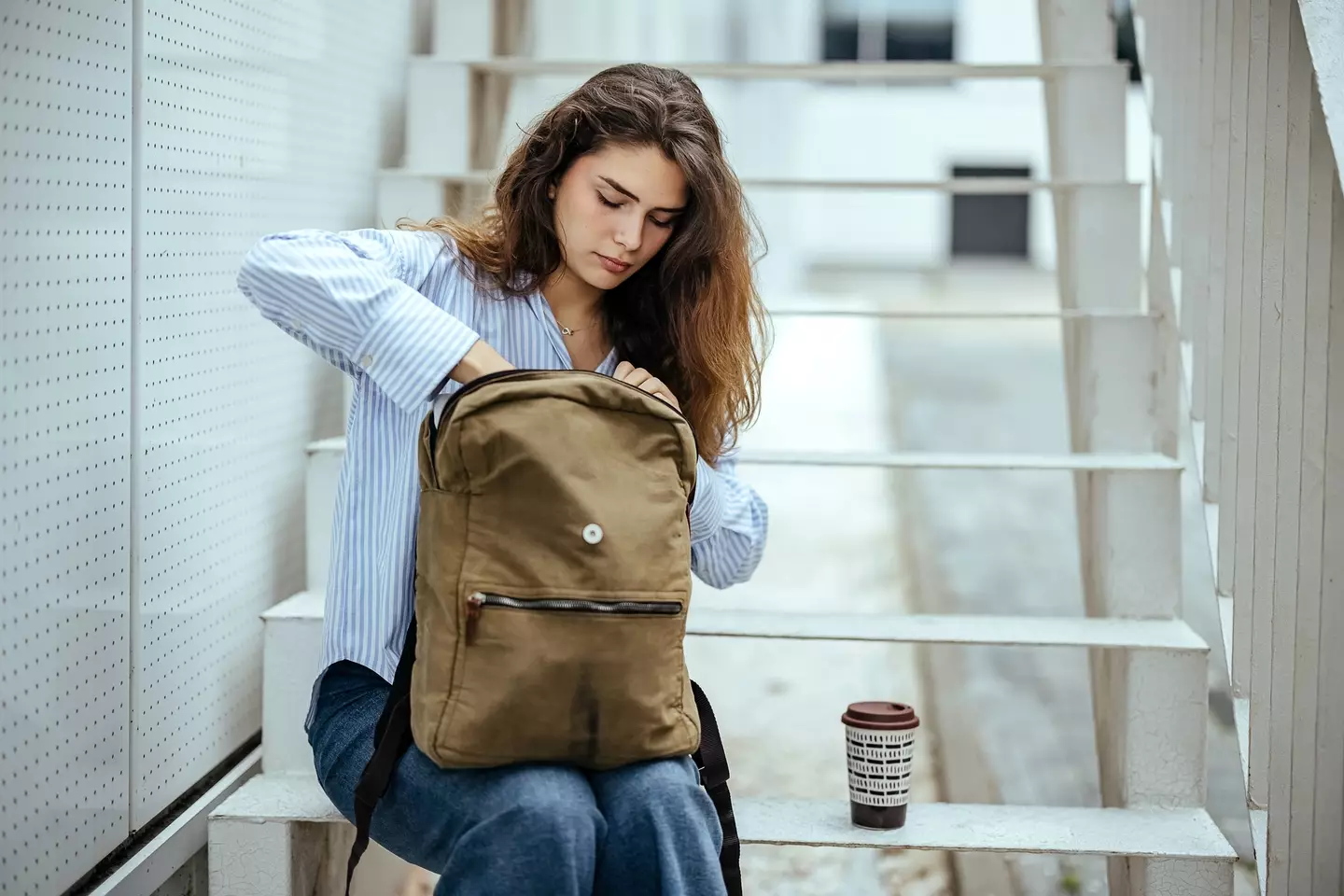
Anything else we need to know?
"Consider evaluating your lifestyle and routine bag usage," Bethany advises.
She also recommends against carrying your bag for prolonged periods if possible, and suggests we 'aim to carry less weight'.
We should also 'be mindful of your body’s signals', with the expert explaining: "If you experience persistent discomfort or pain, it’s advisable to consult an osteopath or orthopaedic specialist.
"They can assess posture, alignment, and potential musculoskeletal imbalances, providing a tailored treatment plan."
Bethany concludes: "Taking these steps can help protect your spine, improve sleep health, and enhance overall well-being."

Advertisement
Advertisement
Advertisement


