




Advertisement
Advertisement
If you consider yourself an eternal outsider who never feels lonely, or if you find it difficult to accept advice and describe yourself as 'emotionally self-sufficient', then your personality type might be akin to that of Frida Kahlo and Albert Einstein, it seems.
We’ve all heard the terms ‘extrovert’ and ‘introvert’, right? Initially introduced in psychology as ‘attitude types’, these terms have evolved into ways to describe various personality traits.
Extroverts are typically loud and outgoing; they are social butterflies who are action-oriented and comfortable being the center of attention.
Conversely, introverts are quieter and more serene than their extroverted counterparts. Those who identify as introverted often prefer observing over speaking and are generally considered good listeners.
Advert
But what if you’re lively with a few friends, don’t get exhausted from social interactions, yet feel out of place at large gatherings?

Well, you might be what’s known as an ‘otrovert’.
What is an ‘otrovert’?
Otroversion has been introduced as an additional personality type by pioneering American psychiatrist, Dr. Rami Kaminski.
Advert
The expert, who has studied this style for over three decades, describes otroverts as individuals who struggle to fit in with larger groups.
While they can connect with another person’s thoughts and feelings, these individuals often defy societal norms and are unlikely to embrace traditions like marriage.
According to the Otherness Institute, people who identify as otroverts may find teamwork challenging, preferring solo endeavors or even independent employment.
They are typically insecure outside their comfort zone and tend to disregard rules and regulations.
Advert
Otroverts usually don’t seek or accept advice; they often forge their own path and value one deep friendship over numerous superficial relationships.
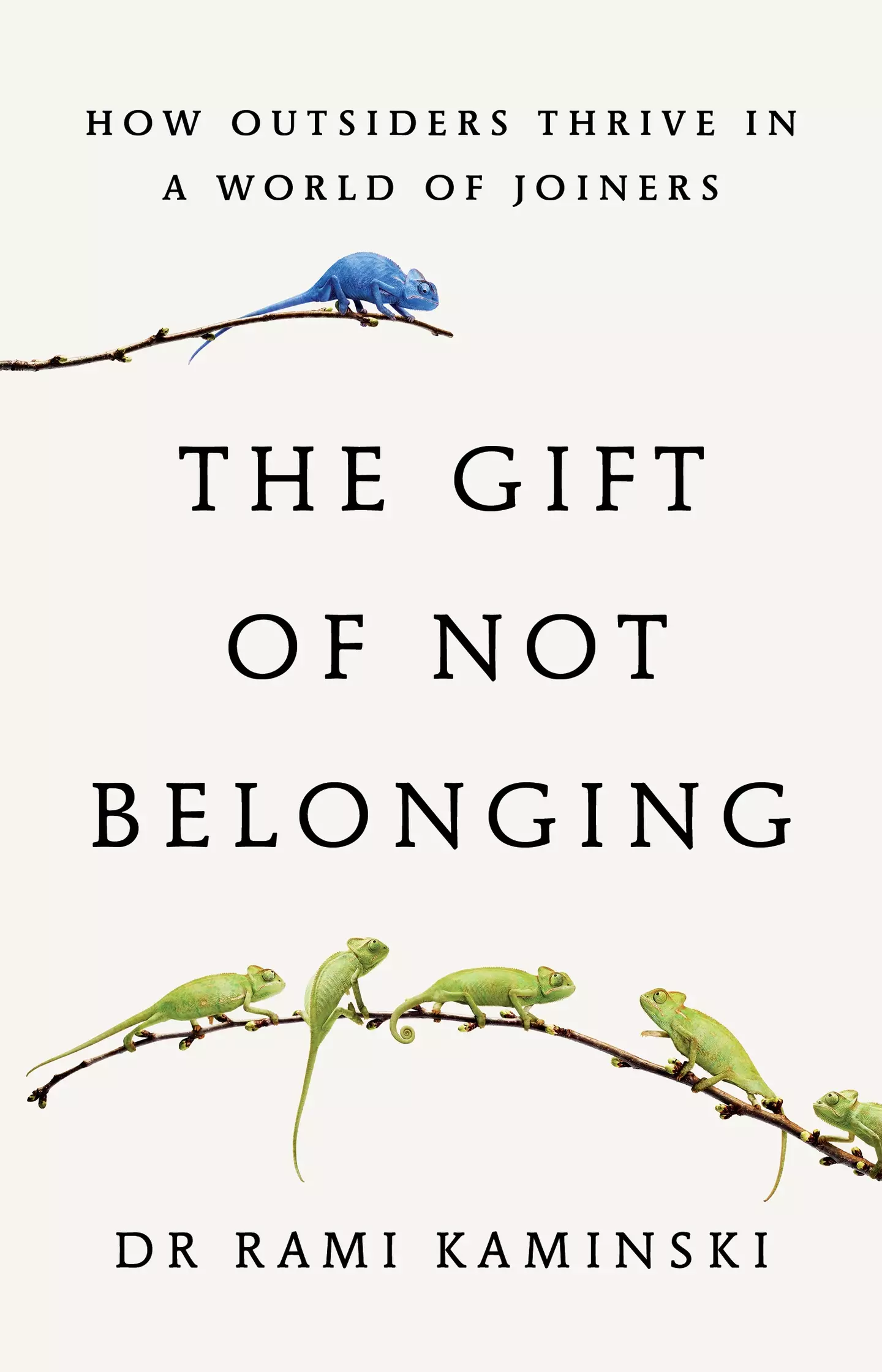
In his book, The Gift of Not Belonging: How Outsiders Thrive in a World of Joiners, Dr. Kaminski encourages those who identify neither as introverts nor extroverts to embrace their uniqueness.
The psychiatrist explains in the self-help book that while otroverts enjoy deep and fulfilling one-on-one relationships, they often feel alienated, uncomfortable, and alone in large groups.
Advert
Unlike introverts, who often need solitude to recharge after social interactions, otroverts can surprisingly be quite sociable and rarely need to retreat after one-on-one socializing.
Dr. Kaminski also asserts that individuals with this personality type struggle to conform to collective group thoughts or concerns.
“Their fundamental orientation is defined by the fact that it is rarely the same direction that anyone else is facing,” he said, as reported by The Guardian.
“Otroverts discover very early in life that they feel like outsiders in any group. This is despite the fact that they are often popular and welcomed in groups.
Advert
“That discrepancy may cause emotional discomfort and a sense of being misunderstood.”
He suggested that Frida Kahlo, Franz Kafka, and Albert Einstein are among the renowned ‘independent thinkers’ who fit this exclusive ‘club’ profile.
He noted that these figures were ‘famously untethered to any group’.
Research on otroversion is still quite limited, with peer-reviewed studies being rare.

Some critics also believe the label might be too broad, potentially grouping experiences from anxiety and cultural differences together.
Moreover, you might not actually be an otrovert, but rather an ambivert.
What is an ‘ambivert’?
Someone who exhibits a balance of extrovert and introvert traits may identify as an ambivert.
For instance, ambiverts are comfortable both in solitude and in group settings, whereas otroverts rarely feel entirely at ease anywhere.
Ambiverts are also more adept at adapting to social situations, while otroverts consistently experience a sense of marginality.
So, what do you think? Would you classify yourself as an otrovert?

Advertisement
Advertisement
Advertisement


