




Advertisement
Advertisement
A medical dermatologist has explained why many young people are facing acne issues, and it's not related to diet.
The concept of 'treat yourself', popularized by Parks and Recreation, varies for everyone.
For some, it might be a luxurious reformer pilates session, while others might splurge on a new bag they've been eyeing. Many would choose an ultra cheesy pizza topped with their favorites.
But have you ever woken up after indulging in greasy foods and thought you’d developed acne overnight?
Advert
For years, researchers suggested greasy foods were responsible for acne in youth, but they might have been mistaken.
What is acne?
Acne is a prevalent skin condition that typically occurs when hair follicles under the skin get clogged with excess oil or skincare products.
Advert
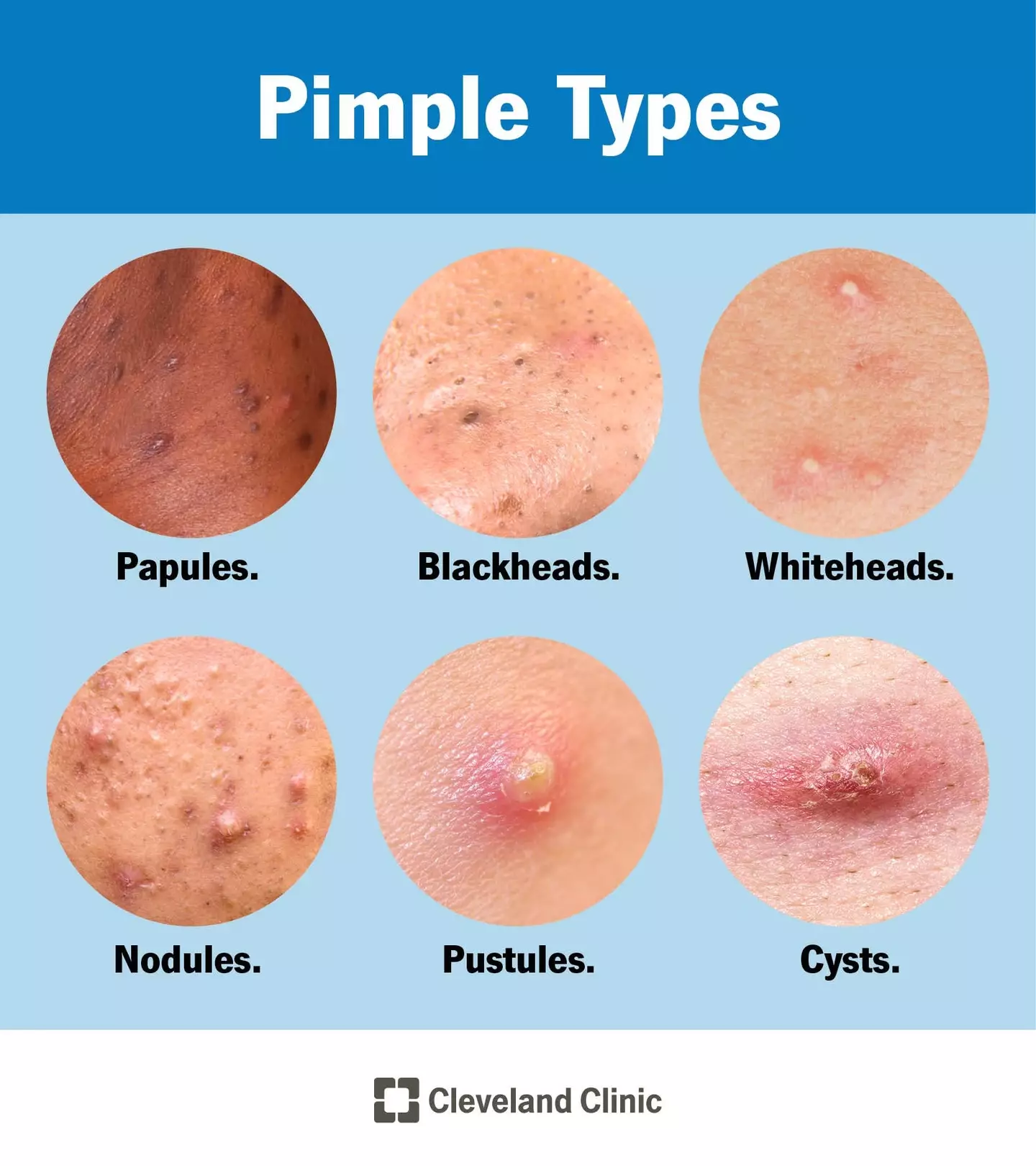
These blockages can lead to whiteheads, blackheads, and other types of spots, including painful cysts and pustules.
Several types of acne exist, including common forms like cystic, fungal (pityrosporum folliculitis), hormonal, and nodular acne.
The latter is a severe form causing pimples on the skin's surface and tender nodular lumps beneath, as per the Cleveland Clinic.
Unfortunately, acne isn't limited to your face. It can also appear in areas with many sebaceous glands, such as the back and chest, where nodules and fungal acne can also develop.
Acne statistics and assumed causes
According to a 2024 study in the British Journal of Dermatology, about 14.65% of adolescents and young people in the UK were diagnosed with acne between 1990 and 2021, one of the highest rates globally.
Advert
Meanwhile, the age-standardized prevalence of acne in those aged 10 to 24 increased from 8,563.4 per 100,000 in 1990 to 9,790.5 per 100,000 in 2021, as per The Guardian.
Several factors contribute to these concerning numbers, with the British Association of Dermatologists (BAD) suggesting links to increased pollution and other environmental factors.
BAD also suggested that quicker consultations with healthcare professionals and lifestyle factors might play a role.
It was previously believed that people with oily skin were more prone to breakouts from greasy foods like burgers, pizzas, and kebabs. However, a medical dermatologist suggests otherwise.
Does greasy food cause acne?

Advert
If you've avoided your favorite foods thinking they cause spots, Dr. Rosalind Simpson, a medical dermatologist at the University of Nottingham, has positive news.
Speaking to The Guardian on Monday (August 25), she revealed that acne's primary causes are genetics and hormones, not the late-night chicken burger.
“People think greasy food increases skin oil, causing acne,” Dr. Simpson explained. “But that’s a misconception. Skin oil – sebum from pores – is mainly influenced by hormones and genetics.”
How do hormones affect acne?
Advert
Simpson explained that a primary acne cause is an increase in androgens, male steroid hormones starting puberty in both genders.
These hormones stimulate more sebum production.
Thus, the more natural, oily, waxy substance your glands produce, the higher the chance it mixes with dead skin cells and blocks your pores.
The outlet also noted other hormonal shifts, such as those from polycystic ovary syndrome or progesterone-only contraception, can contribute to acne, along with diet.
“There’s growing evidence that refined sugars may contribute,” she noted.
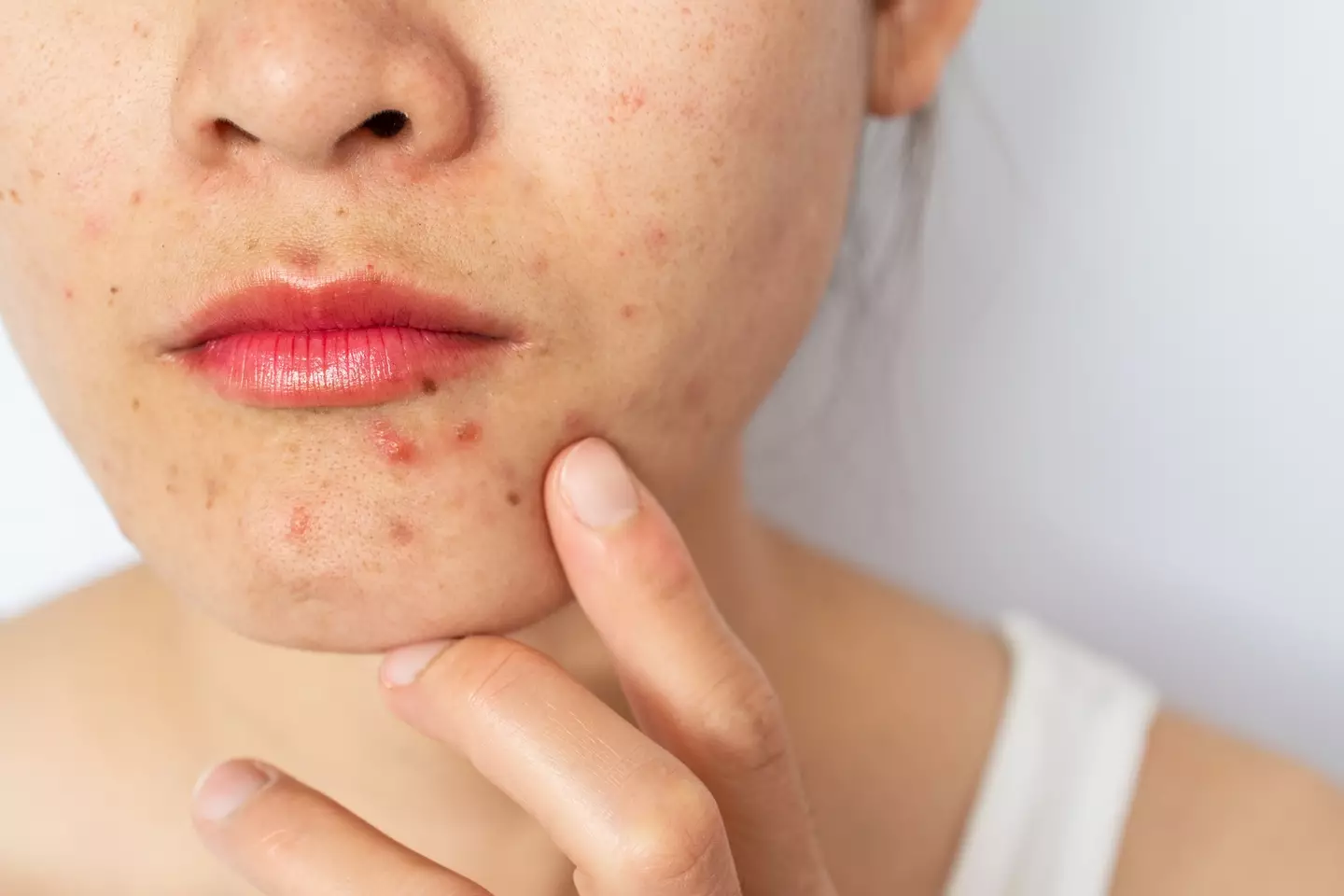
The medical expert advised seeing a doctor if you're concerned about spots, rather than drastically limiting your weekly takeout.
“People try to change their diet to treat acne, but restrictive diets can be harmful, especially for teens, unless medically supervised,” Dr. Simpson added.
Since greasy foods haven't been scientifically proven to cause acne, we won't feel guilty about that extra slice at dinner tonight.
How can you prevent acne?
While acne can't be cured, it can be managed with treatment. The NHS advises those with mild acne to consult a pharmacist.
If your acne is severe, your doctor may suggest antibiotics or stronger prescription creams.
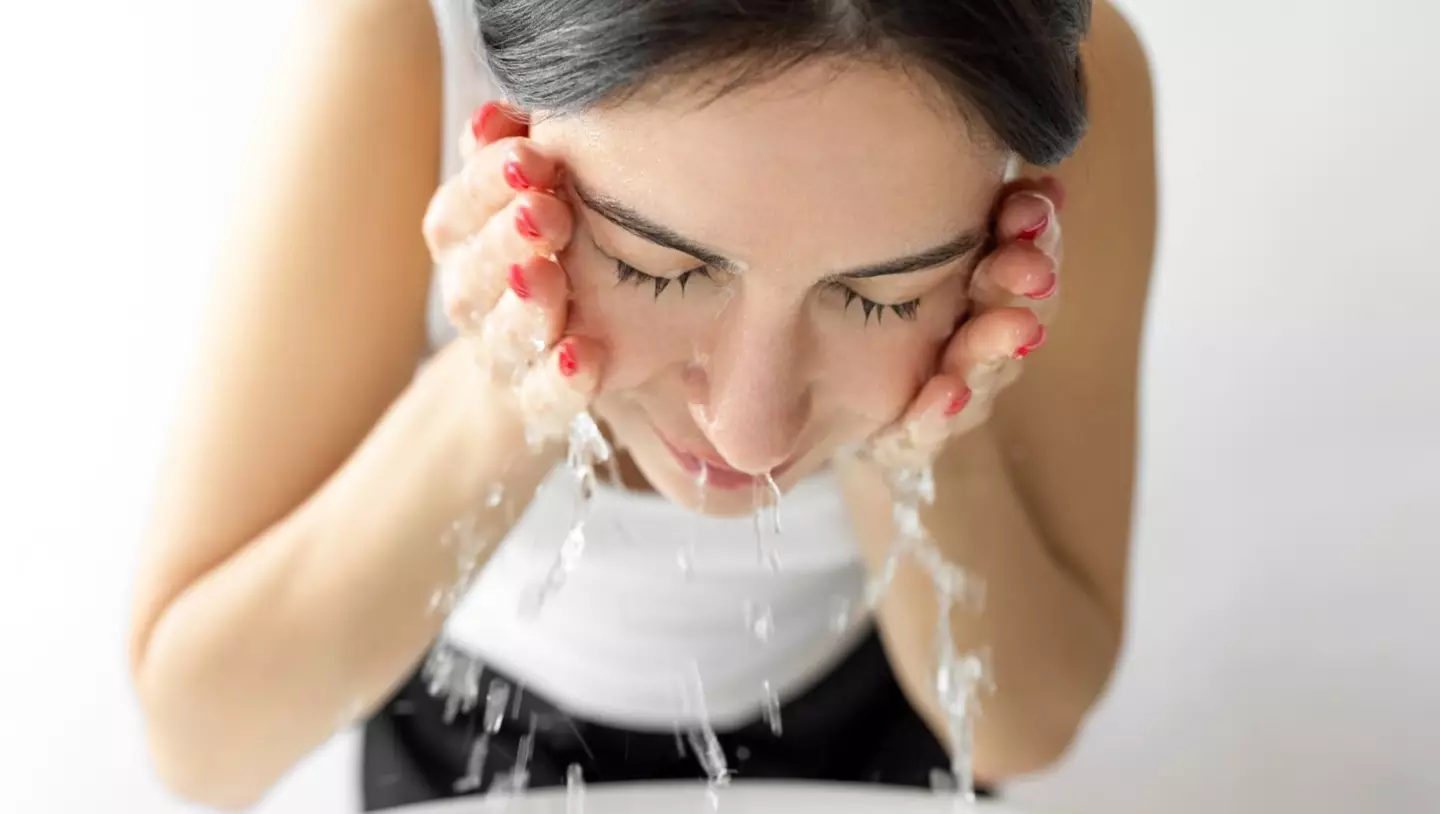
You can try several strategies if you have acne, including not washing affected areas more than twice daily and avoiding oil-based makeup, skincare, and sun care products.
The NHS recommends using water-based, non-comedogenic products to avoid clogging skin pores.
Other tips include washing your hair regularly and avoiding squeezing spots, which can lead to permanent scarring.

Advertisement
Advertisement
Advertisement


