




Advertisement
Advertisement
It's no exaggeration to say LED face masks have taken the beauty industry by storm in recent years, offering solutions for everything from sun damage to redness and hyperpigmentation.
In recent months, our fascination has peaked; scrolling through TikTok, you're bound to encounter celebrities like Victoria Beckham, Kate Hudson, and Kourtney Kardashian proudly showcasing their glowing masks, reminiscent of a scene from a Halloween movie.
The evidence is in the numbers, too.
Advert
According to recent statistics, the LED market is thriving, projected to reach a staggering £600m globally by 2032. It's not surprising, considering that the average at-home LED face mask costs around £300 (we’re looking at you, Shark).
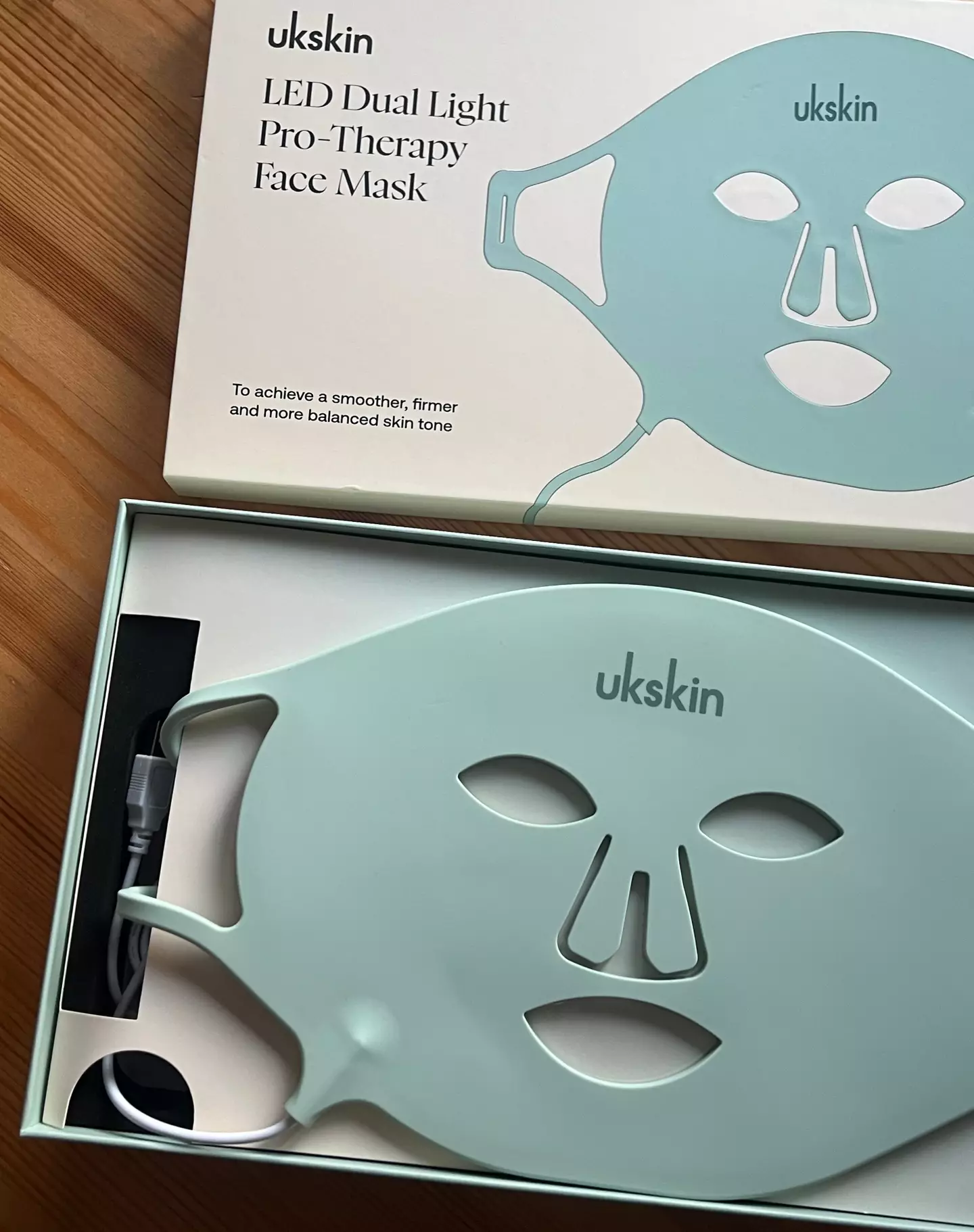
The latest brand to join the conversation is UKSKIN, known for their cult-favorite lash serum, who recently introduced their LED Dual Light Pro-Therapy Face Mask, aimed at helping users achieve a 'smoother, firmer, and more balanced' skin tone.
At £199, it's quite an investment, yet still more affordable than some competitors; so, can the LED mask really deliver on its promises?
Advert
When I heard about the launch of the new £199 UKLash LED Mask, I was eager to see if this more affordable option could hold its own against pricier alternatives (and if it might help delay my first botox appointment a bit longer).
But after trying the product for six weeks, something unexpected occurred.
Here's my honest review.
Why I tested the UKLash LED Face Mask
I’m in my early thirties, and over the last few years, subtle smile and frown lines have begun to appear. While I'm content to age naturally, I was curious about claims that an LED face mask could reduce (and even prevent) fine lines. So, I decided to explore the hype myself.
Advert
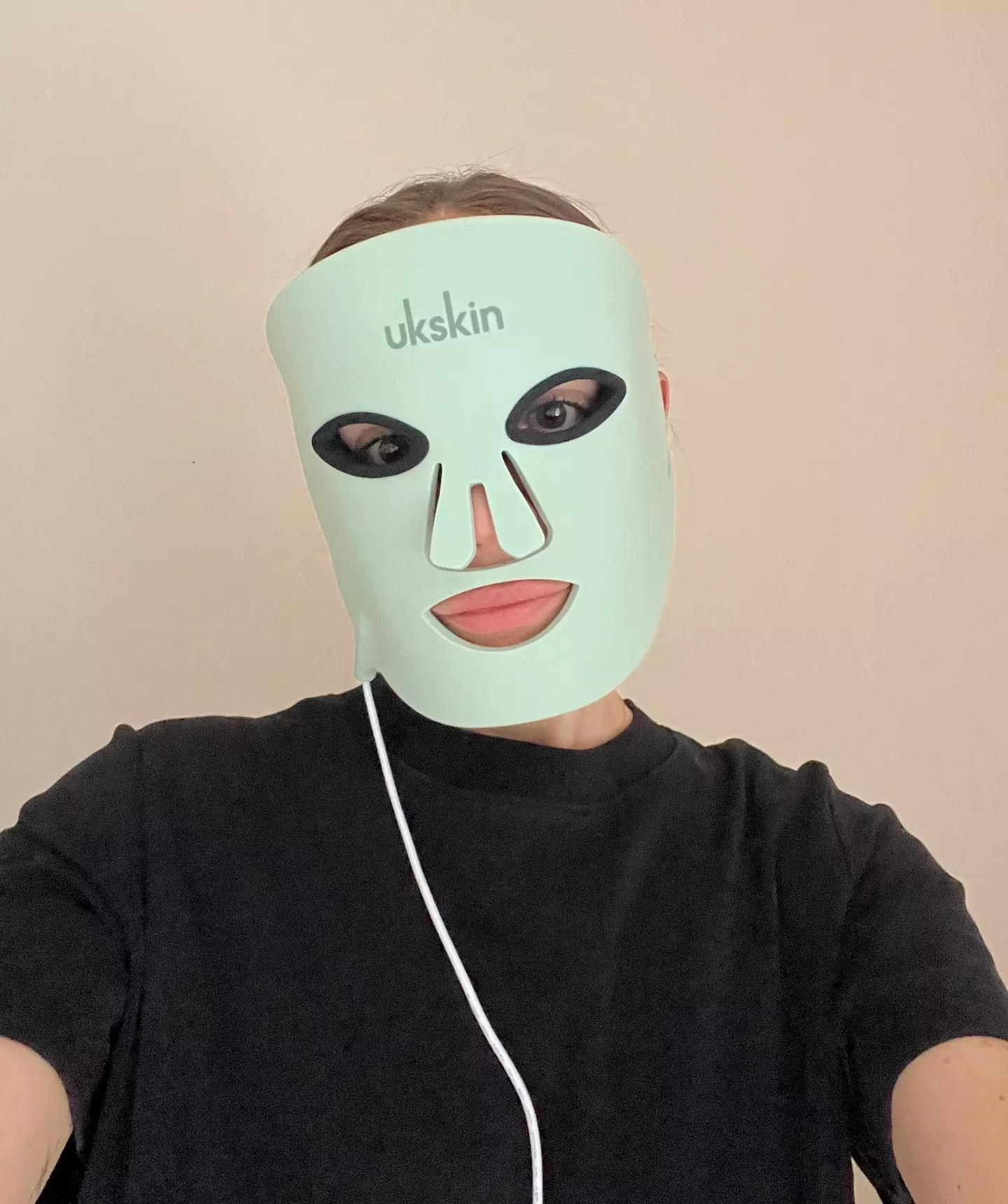
For the review, I used the LED face mask for ten minutes, five times a week over six weeks. I alternated between morning and evening sessions on cleansed skin, before continuing with my usual skincare routine.
So, what makes the UKLash LED Face Mask stand out?
Pros:
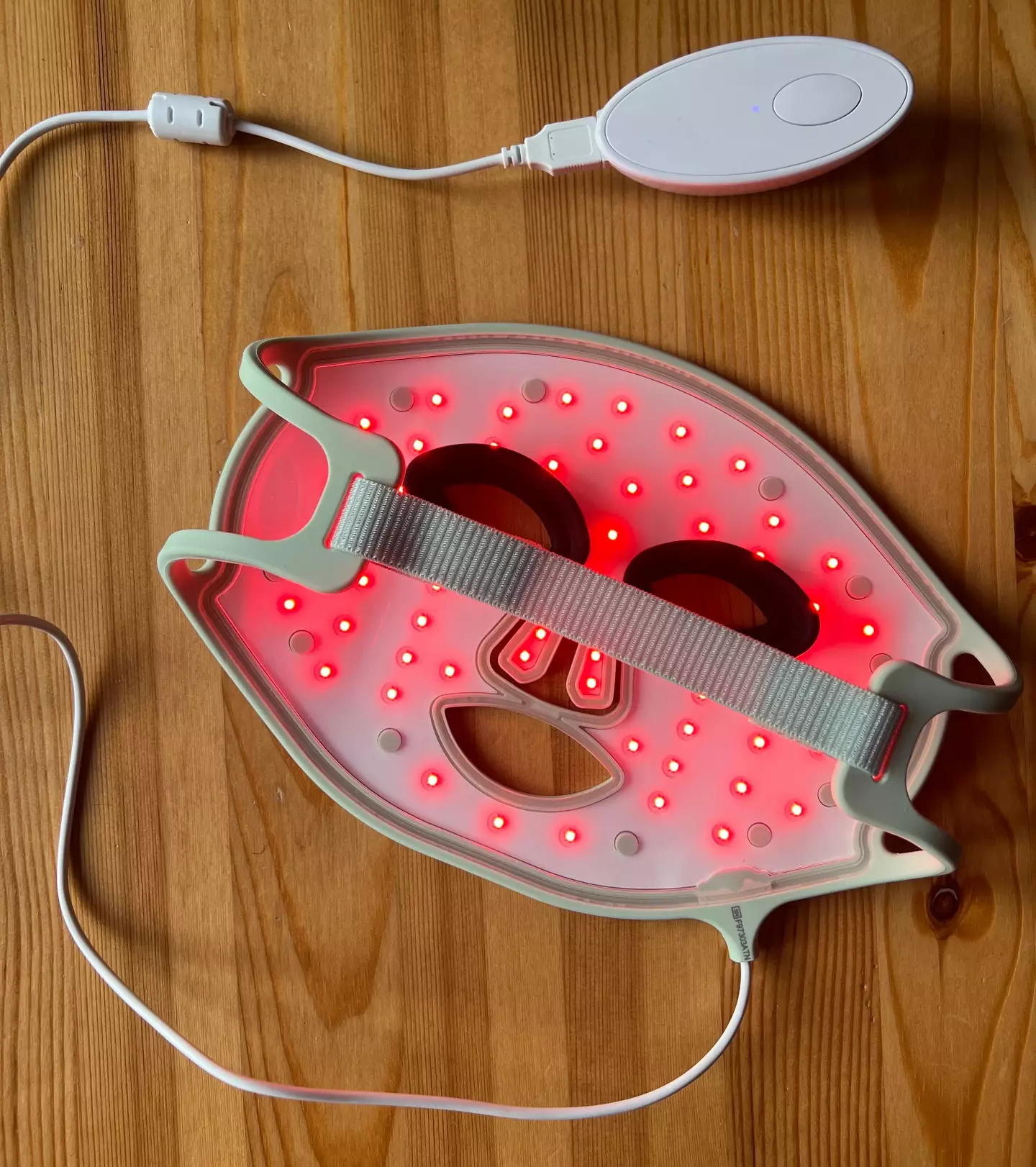
- Powerful red light at 630nm and near-infrared light at 830nm (similar to the Shark CryoGlow LED Face Mask)
- Flexible silicone mask to fit all face shapes
- Adjustable face strap for comfort
- Wireless design suitable for travel (and working from home)
- Strong battery life
Cons:
- More powerful face masks are available on the market
- Only one red light treatment mode
It boasts the same powerful technology as competitors (at a lower price)
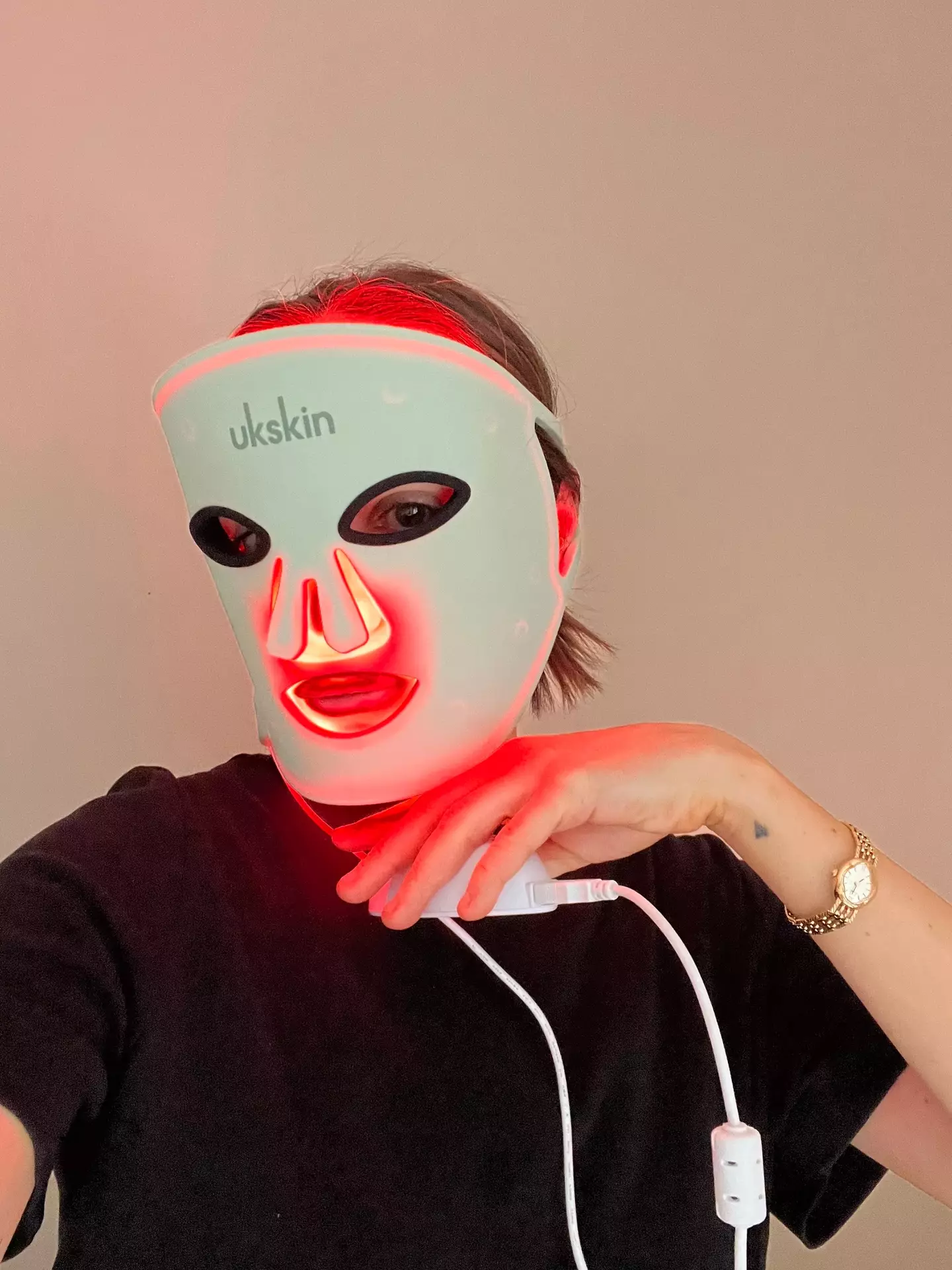
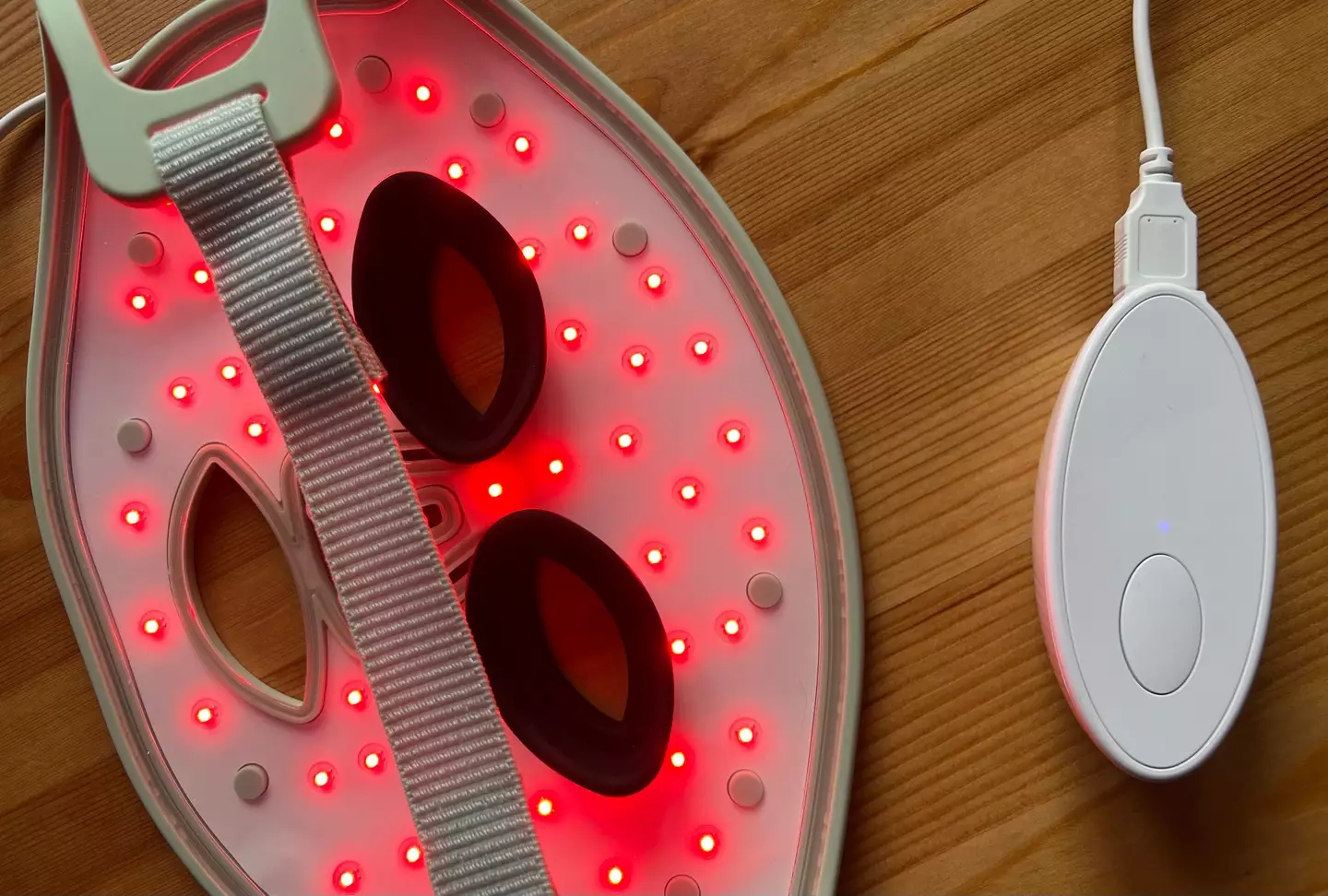
According to the UKLash website, their LED face mask uses 112 medical-grade LEDs and a combination of red and near-infrared light to reduce fine lines, wrinkles, and redness. To put it in perspective, the mask offers the same amount of red and infrared light nanometres as its competitor, the SharkCryoGlow Mask (red light: 630nm and near-infrared light: 830nm). The only difference is that the UKLash mask does not use blue light, which has been clinically shown to reduce active breakouts and prevent clogged pores.
Clinically proven results
The UKLash website claims 96% of participants saw a reduction in fine lines, 98% noticed firmer skin, and 95% reported a brighter complexion. So, how does it work?
Advert
"Red and near-infrared light helps stimulate collagen and elastin production, reduces fine lines and wrinkles, and improves skin tone, texture, and hydration," Dr. Sophie Shotter from GetHarley explains. "It can also speed up healing, increase microcirculation, and soothe inflammation and redness. This has been supported by clinical studies over eight to 12 weeks of regular use."
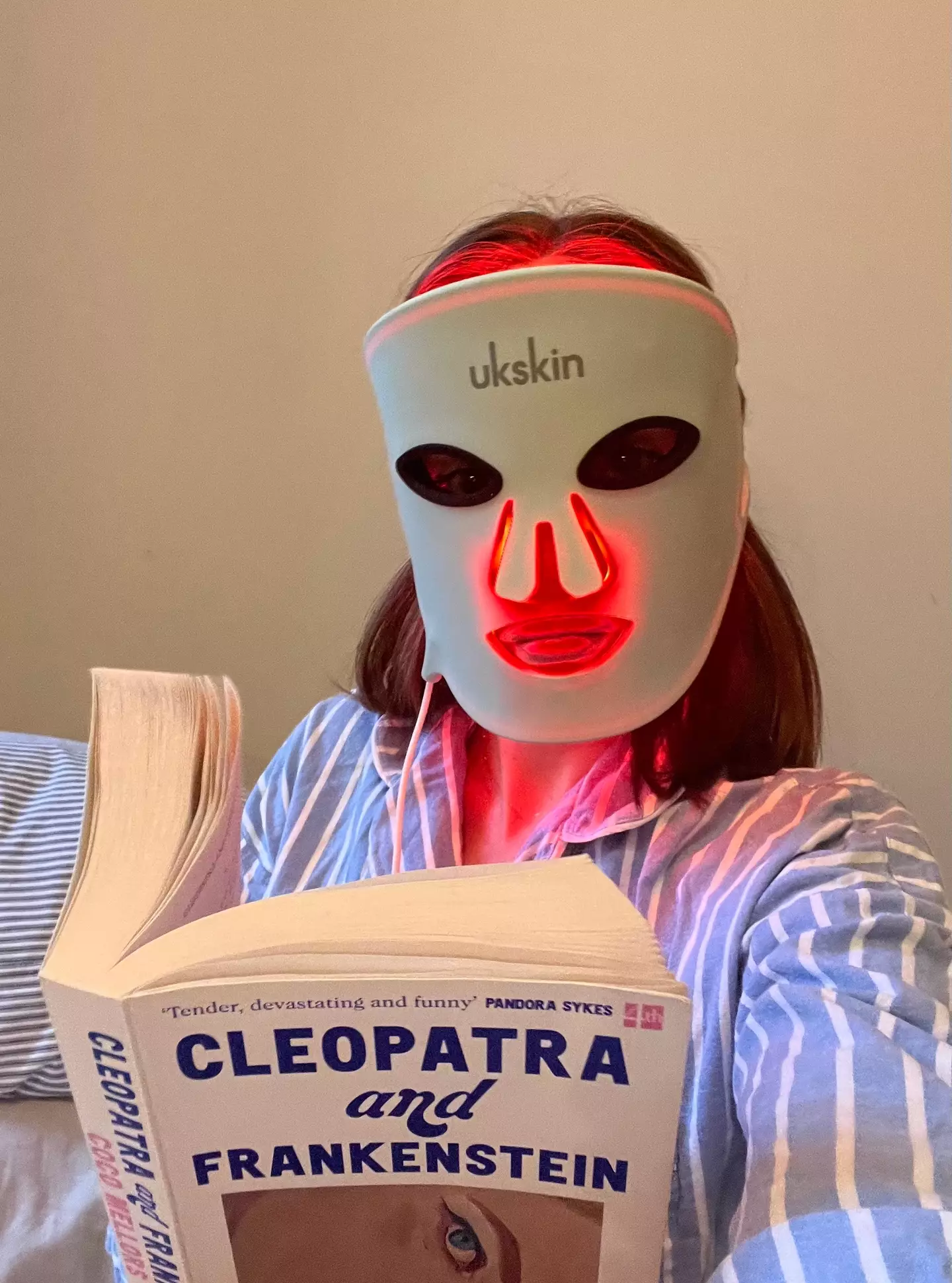
The common LED mask mistake I made
The first time I used the face mask, I made a significant rookie mistake. The £199 UKLash LED Mask comes with optional protective eye shields, which I thought I didn't need - but I was quickly corrected.
Advert
After using the mask for the first time without the eye shields, I was left with sore eyes for the rest of the evening, as the mask sits close to the skin and is very bright.
Neil Laird, Specialist Optometrist at Pure Optical, warns against the risks of not using protective eyewear during treatment.
"Red and near-infrared light are generally safe in terms of long-term retinal impact, but can still cause discomfort and fatigue if directed near the eyes, especially with higher-powered home devices," Laird explains. "Users may experience symptoms such as photophobia (light sensitivity), mild corneal inflammation, and dryness following exposure. However, in some cases, even low-level red light can worsen underlying dry eye disease or trigger discomfort in individuals with light-triggered migraines."
"In addition to suitable eyewear, I would advise users to keep treatment sessions brief, avoid directly looking at the light sources, and never use the mask in a dark room, where pupil dilation can allow even more light into the eye."
You should not use an LED face mask if you have any genetic eye conditions or a photosensitive disorder.
So, did the UKLash LED face mask really work?
The LED face mask arrived beautifully packaged with a dust bag, power bank, and remote control. Setting it up was straightforward, but you'll need to reserve an evening to charge the remote control and perform an allergy test.
During the testing period, I took photographs throughout my journey to document any improvement in my fine lines - but something unexpected happened.
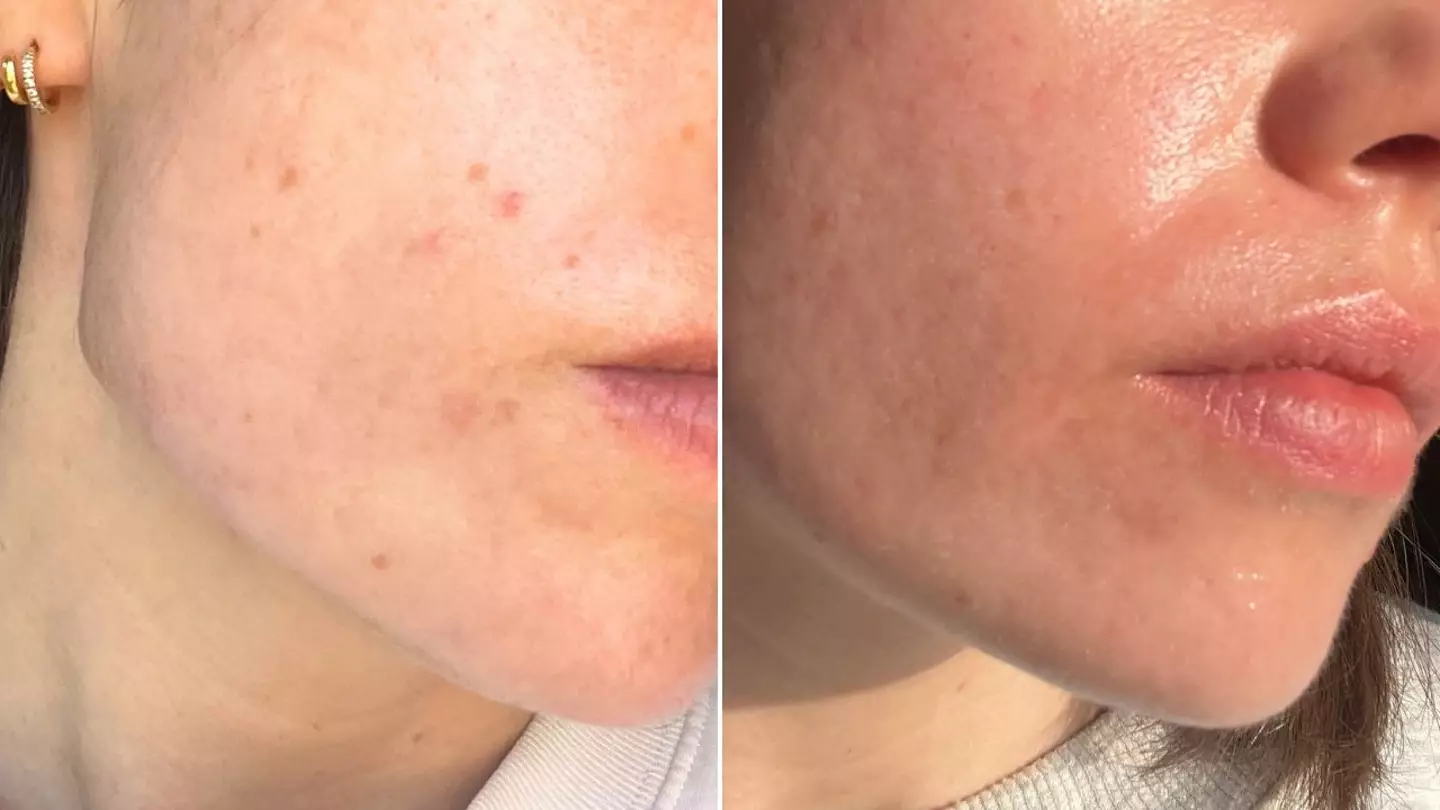
My hormonal acne, which usually flares up before my period, calmed down while using the mask.
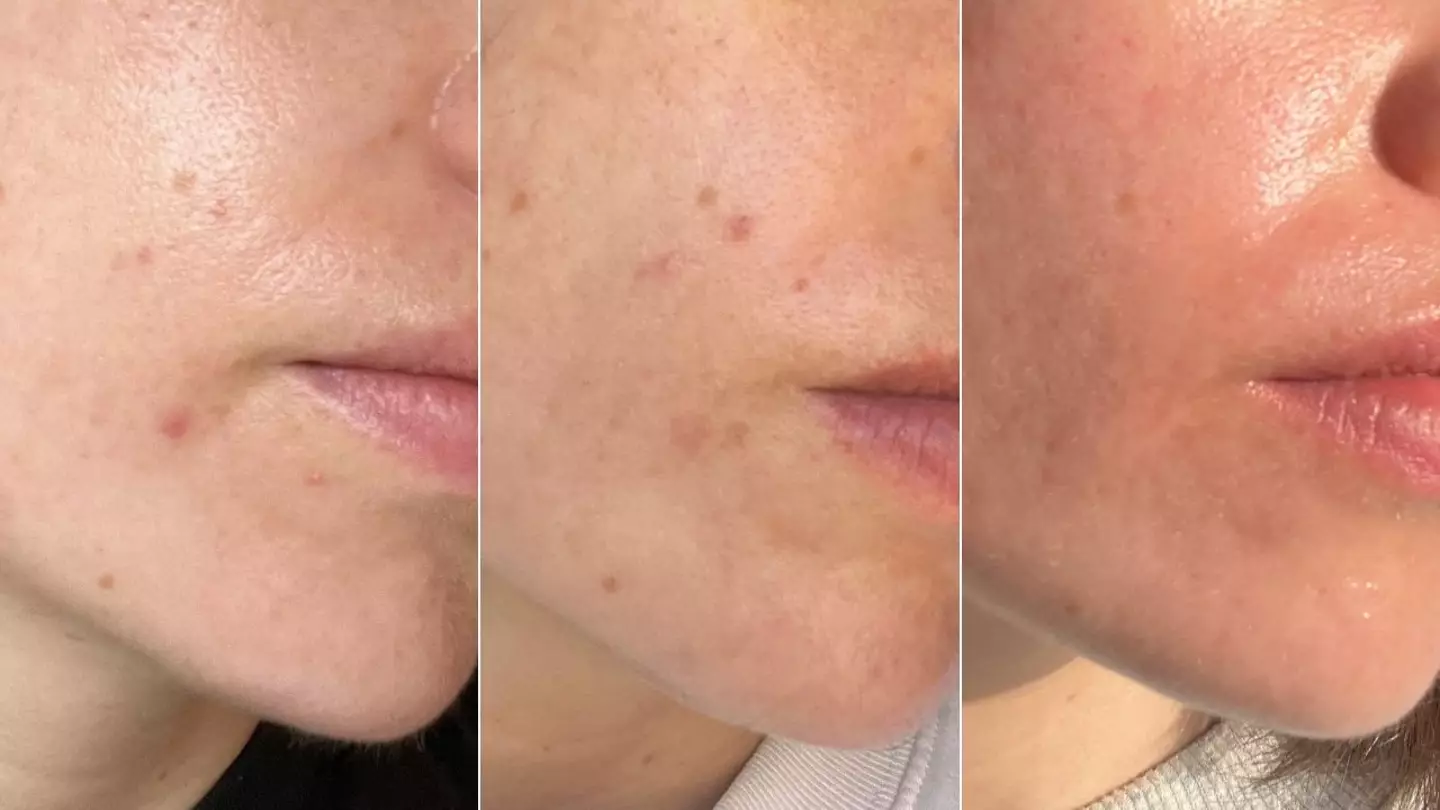
According to Dr. Shotter from GetHarley, red light doesn't directly target acne-causing bacteria but can have an anti-inflammatory effect, which may help with hormonal breakouts.
As for fine lines, the small wrinkle between my brows significantly diminished over the treatment period, and my skin appeared more radiant, indicating its anti-aging potential. However, the deeper smile lines have yet to improve, and according to Dr. Shotter, LED treatment may not achieve the same results as treatments like botox.
“While red light therapy shows promise, the results are generally more subtle and gradual compared to treatments like botox,” Dr. Shotter explains. “Botox injections provide immediate and more pronounced smoothing of dynamic wrinkles by temporarily relaxing specific facial muscles. In contrast, red light therapy requires consistent use over several weeks to months for noticeable improvements.”
However, she believes LED masks can be a worthwhile investment in the long run.
"LED masks, especially those using red and near-infrared light, have attracted attention for their potential to reduce the appearance of fine lines and wrinkles," she continues. "When considering cost, we need to compare clinic LED treatments to botox, as clinical studies have all been performed on more powerful devices than those available at home.
"LED facials may be cheaper as individual treatments, but we need courses to see tangible results. Over time, the costs are probably not too different from each other. A home-use device represents a one-time investment and may be seen as better value."
Where to buy the UKLash LED Face Mask now
If you're interested in trying the UKLash LED Face Mask, it's now available for purchase via the official website for £199. New customers can sign up for the newsletter here for 10% off.
Visit the UKLash website now to find out more.
Advertisement
Advertisement


Advertisement


