




Advertisement
Advertisement
In the coming years, an extraordinary event that occurs once in a century is set to unfold globally, with scientists predicting it will plunge the Earth into darkness for nearly seven minutes.
Are you familiar with eclipse chasers? These passionate astronomy enthusiasts, often referred to as umbraphiles, dedicate their time to traveling around the world to witness the most spectacular views of a solar eclipse.
You have the opportunity to become part of this exclusive group in August 2027 when the moon will completely obscure the sun for six minutes and 23 seconds.
This forthcoming total solar eclipse is expected to be the longest since 1991, with specialists indicating that a similar event won't occur again until nearly a century later, in 2114, according to Space stated.
Advert
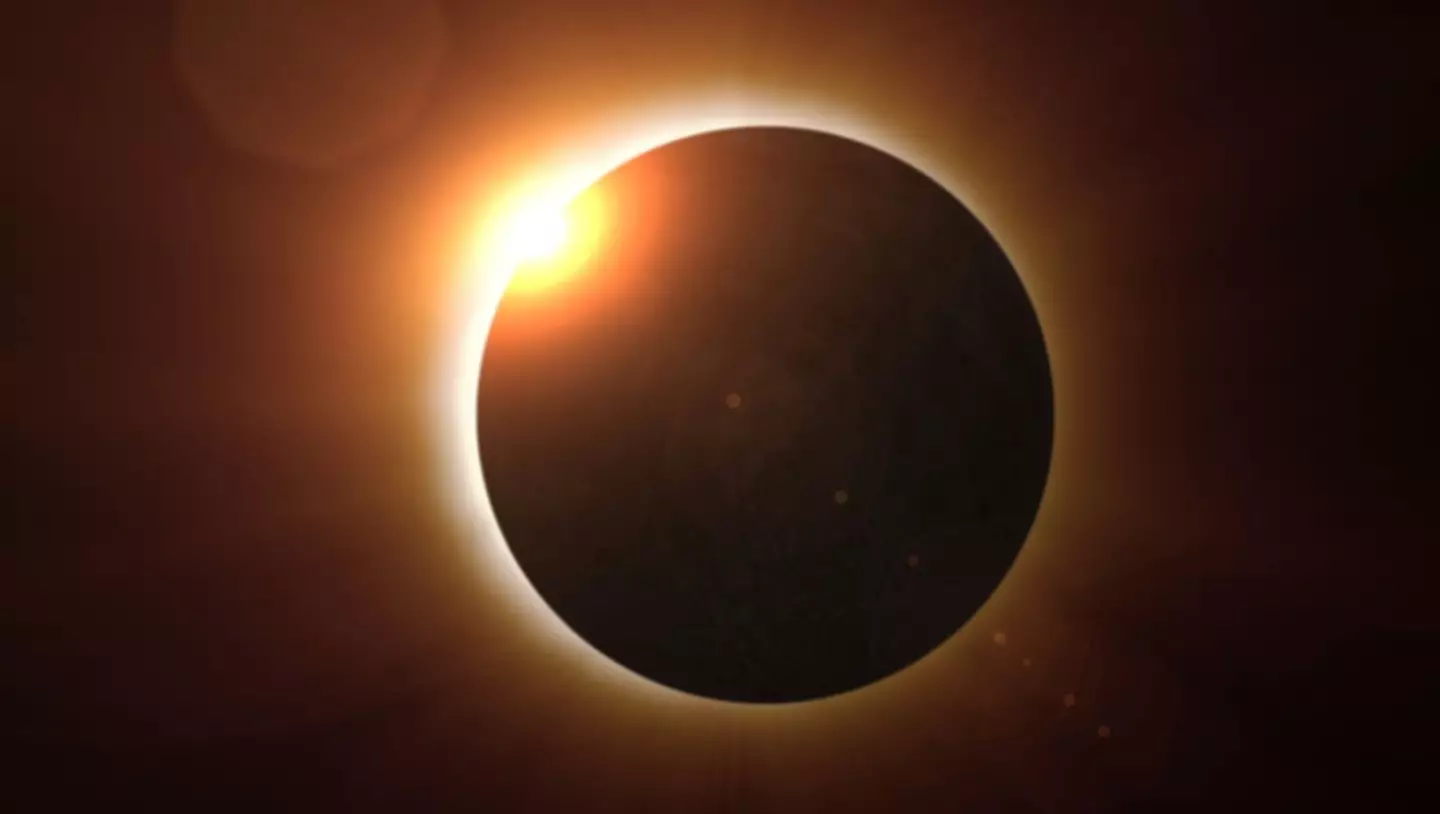
This event, known as the ‘Great North African Eclipse’, is said to offer its most complete view from Luxor, located approximately 660km from Cairo, Egypt's capital.
If traveling to Luxor isn't feasible, you can still catch a view from several other North African countries, as well as some Southern European locales, including Gibraltar.
Clear skies are reportedly ‘almost certain’, ensuring that eclipse chasers who travel to Egypt or even Libya won't be disappointed.
Advert
"Clouds are unlikely in eastern Libya and western Egypt," Canadian meteorologist Jay Anderson told the publication.
“In Luxor, cloud cover frequency is just 0.7 percent — at worst, you might see a bit of thin cirrus cloud passing through on the jet stream — but dust is more likely.
"It's possible that the completely eclipsed sun will be seen through a dust haze — but this will depend on the winds that day.”
If you find yourself sailing between southwestern Spain and northwestern Morocco in 2027, you might also have a good view, Anderson explained.
Advert
Even though the moon will block the sun for nearly seven minutes, this upcoming eclipse isn't recorded as the longest in history.
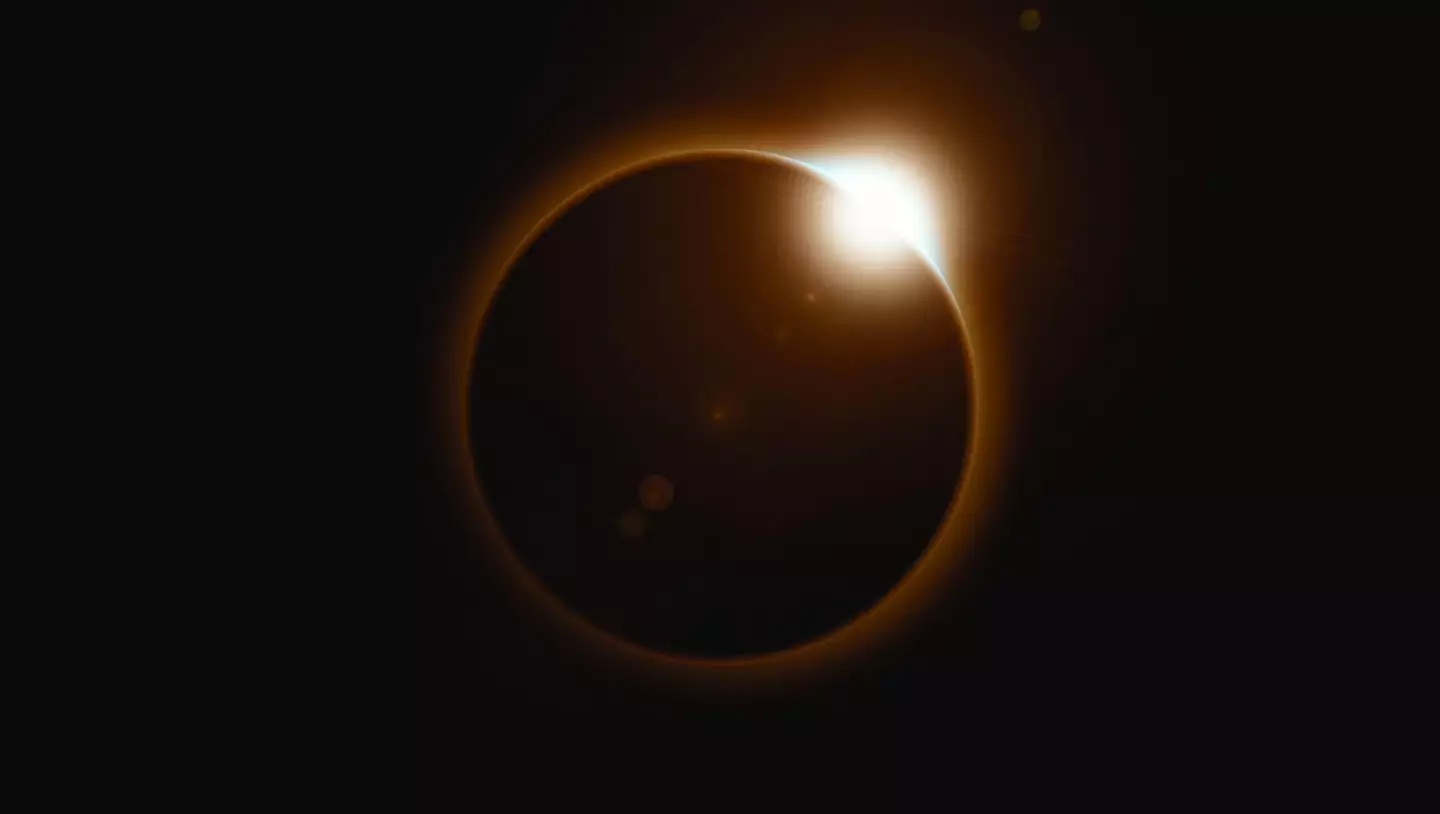
Research by meteorologist Jean Meeus suggests that the maximum duration for a total eclipse is seven minutes and 31 seconds. Thus, this one, being just a minute shy, is quite remarkable.
The forthcoming Great North African Eclipse will occur a lunar year after the total solar eclipse on August 12, 2026.
Advert
Nasa stated that this phenomenon will be observable in Greenland, Iceland, Spain, Russia, and a small region of Portugal.
If you're located in Europe, Africa, North America, the Atlantic Ocean, the Arctic Ocean, or the Pacific Ocean, you will be able to witness a partial view, confirmed the space agency.
Advertisement
Advertisement


Advertisement


